

Himachal
Hadimba Devi Temple
A Forest Sanctuary in Manali
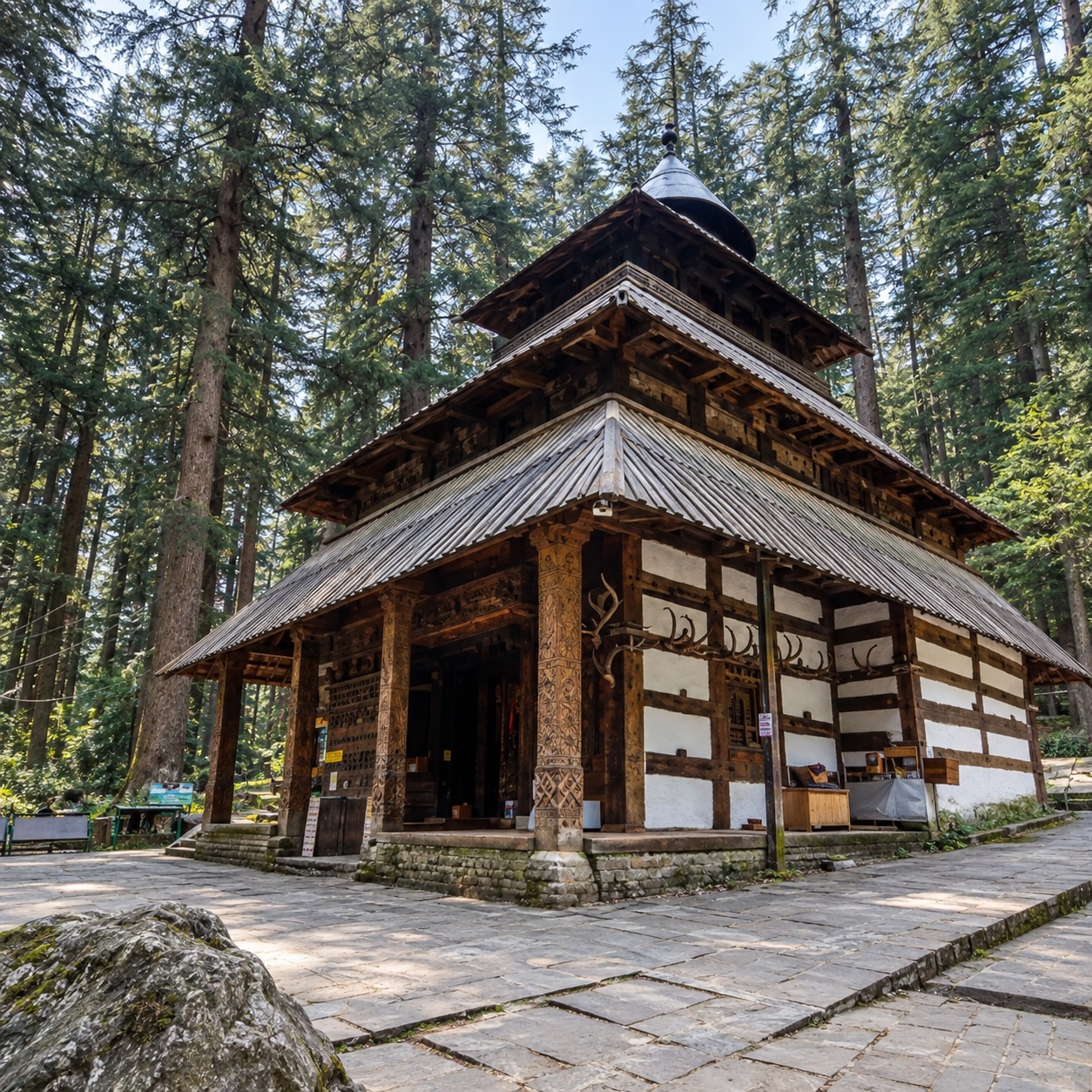
Surrounded by tall deodar trees in the peaceful Dhungri forest of Manali, the Hadimba Devi Temple is one of the most fascinating and spiritually significant attractions in Himachal Pradesh. Also known as Dhungri Temple, this ancient temple is dedicated to Goddess Hadimba, the wife of Bhima from the epic Mahabharata. With its distinctive four-tiered pagoda-style architecture, intricate wooden carvings and serene forest setting, Hadimba Devi Temple offers a unique combination of spirituality, mythology, history and Himalayan beauty. The temple dates back to the 16th century and remains one of the most visited cultural attractions in Manali. Why Visit Hadimba Devi Temple? Hadimba Devi Temple is much more than a traditional place of worship. Its unusual architecture, connection with the Mahabharata and beautiful natural surroundings make it a must-visit attraction during a Manali holiday. Some of the main reasons to visit include:- • Ancient temple with a fascinating mythology • Unique pagoda-style architecture • Beautiful wooden carvings • Peaceful deodar forest surroundings • Important religious and cultural landmark • Connection with the Mahabharata • Photography opportunities • Easy to include in Manali local sightseeing History of Hadimba Devi Temple The temple was built in 1553 CE during the reign of Maharaja Bahadur Singh. It was constructed around a cave shrine associated with Goddess Hadimba. According to the Mahabharata tradition, Hadimba was associated with the forest where the Pandavas stayed during their exile. Bhima, one of the Pandava brothers, defeated Hadimba's brother Hidimb and later married Hadimba. Their son, Ghatotkacha, became a legendary warrior and is also deeply connected with local traditions. According to local belief, Hadimba later became a revered goddess and is worshipped as an important deity in the region. The Unique Architecture of Hadimba Temple:- One of the first things visitors notice about Hadimba Devi Temple is its distinctive architecture. The temple follows a four-tier pagoda-style design, combining stone and wood. Its tall structure rises among the surrounding deodar trees, creating an impressive sight. Himachal Tourism describes the temple as a four-tier pagoda-style structure with a wood-and-stone construction. The wooden doorway features detailed carvings depicting:- • Deities • Animals • Floral patterns • Dancers • Mythological scenes • Figures associated with Lord Krishna • Navagrahas The craftsmanship gives the temple a distinctive Himalayan character and makes it particularly interesting for architecture and history lovers. The Sacred Cave Shrine:- The inner sanctum of the temple is associated with a cave shrine, rather than a conventional large idol. According to tourism sources, the shrine preserves what are believed to be the footprints of Goddess Hadimba, which are worshipped by devotees. This unique feature adds to the spiritual atmosphere of the temple and makes it different from many other temples in the region. Hadimba Devi and Mahabharata Connection:- The story of Hadimba is one of the most interesting aspects of visiting the temple. Hadimba is traditionally described as the wife of Bhima, one of the five Pandava brothers. Their son, Ghatotkacha, is remembered as a powerful warrior in the Mahabharata. Over generations, Hadimba came to be revered as a goddess in the Manali region. She is also regarded locally as an important Kuldevi and Gram Devi. This connection between mythology and local traditions gives the temple a special cultural importance. Surrounded by the Beautiful Dhungri Forest The location of Hadimba Devi Temple is one of its biggest attractions. The temple stands amid a dense deodar forest, creating a peaceful environment away from the busy streets of Manali. The tall trees surrounding the temple make the area especially beautiful during walks and photography. The combination of ancient wooden architecture and towering Himalayan trees creates a memorable atmosphere for visitors. Hadimba Devi Fair:- The temple is also associated with important local celebrations. An annual fair is held in May around the birthday of Goddess Hadimba. The celebration includes local music, dancing and participation from people of the surrounding region. Another traditional celebration, known as Bahadur Singh Re Jatar, is held during the Hindu month of Shravan in memory of Maharaja Bahadur Singh, who built the temple. These celebrations provide visitors with an opportunity to experience the cultural traditions of the Manali region. Things to Do at Hadimba Devi Temple:- 1. Explore the Ancient Temple Take time to appreciate the temple's wooden architecture, carvings and unique pagoda-style design. 2. Experience the Peaceful Forest Walk around the surrounding deodar forest and enjoy the calm Himalayan atmosphere. 3. Learn About Local Mythology Discover the fascinating story of Goddess Hadimba, Bhima and Ghatotkacha and understand the temple's connection with the Mahabharata. 4. Photography The temple's wooden structure and forest surroundings create beautiful opportunities for photography. 5. Visit During Local Festivals If your trip coincides with the annual celebrations, experiencing the local traditions can make your visit even more memorable. Best Time to Visit Hadimba Devi Temple:- March to June - Pleasant Weather Spring and early summer offer comfortable conditions for exploring Manali and its local attractions. The surrounding greenery also makes the temple area particularly pleasant. July to September - Monsoon The monsoon brings fresh greenery to the deodar forest. However, visitors should be careful around wet surfaces and during heavy rainfall. October to November - Autumn The post-monsoon period can offer pleasant sightseeing conditions and beautiful forest surroundings. December to February - Winter Winter brings cold weather and the possibility of snowfall in Manali. A snow-covered deodar forest can create a beautiful atmosphere around the temple, although visitors should be prepared for cold and changing weather conditions. Hadimba Temple Timings:- Incredible India currently lists the temple's opening hours as 8:00 AM to 6:00 PM. Timings can change during festivals or for local reasons, so travellers should confirm before visiting. Nearby Places to Visit:- Hadimba Devi Temple is conveniently located for exploring several Manali attractions. You can consider combining your visit with:- • Museum of Himachal Culture & Folk Art • Van Vihar • Old Manali • Manu Temple • Mall Road • Vashisht Temple • Jogini Waterfall The official Incredible India Manali itinerary also groups Hadimba Temple with Van Vihar, Old Manali, Vashisht Temple and Jogini Falls as part of a Manali sightseeing experience. Travel Tips for Hadimba Devi Temple:- • Dress respectfully when visiting the temple. • Wear comfortable footwear for walking around the forest area. • Keep the surroundings clean. • Follow temple rules regarding photography. • Be respectful of devotees and local traditions. • During winter, carry warm clothing and suitable footwear. • During monsoon, be careful on wet paths. • Check festival timings if you specifically want to experience local celebrations. • Confirm opening timings before your visit. Who Should Visit Hadimba Devi Temple? Hadimba Devi Temple is ideal for:- • Families • Couples • Spiritual travellers • History lovers • Architecture enthusiasts • Photography lovers • First-time Manali visitors • Travellers interested in Indian mythology and culture
Trips that cover Hadimba Devi Temple
8 Days, 7 Nights, Ex-Ahmedabad
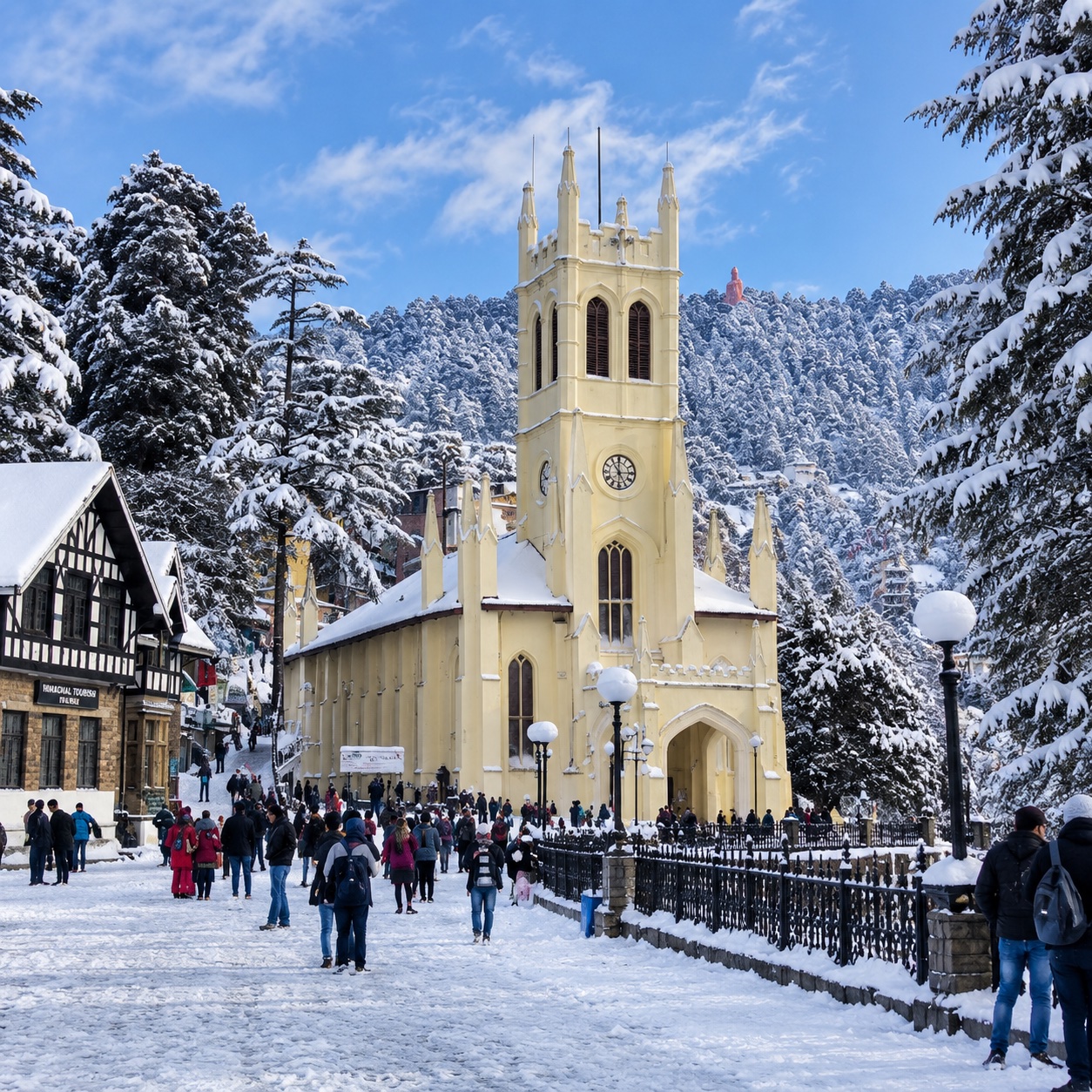
Shimla Manali
Shimla-Kullu-Manali-Solang Valley-Atal Tunnel

9 Days, 8 Nights, Ex-Chandigarh
Shimla, Manali, Dalhousie, Dharamshala
Shimla-Kullu-Manali-Sissu-Atal Tunnel- Dalhousie-Dharamshala-Khajjiar
5 Nights, 4 Days, Ex-Delhi
Manali Kasol Tour
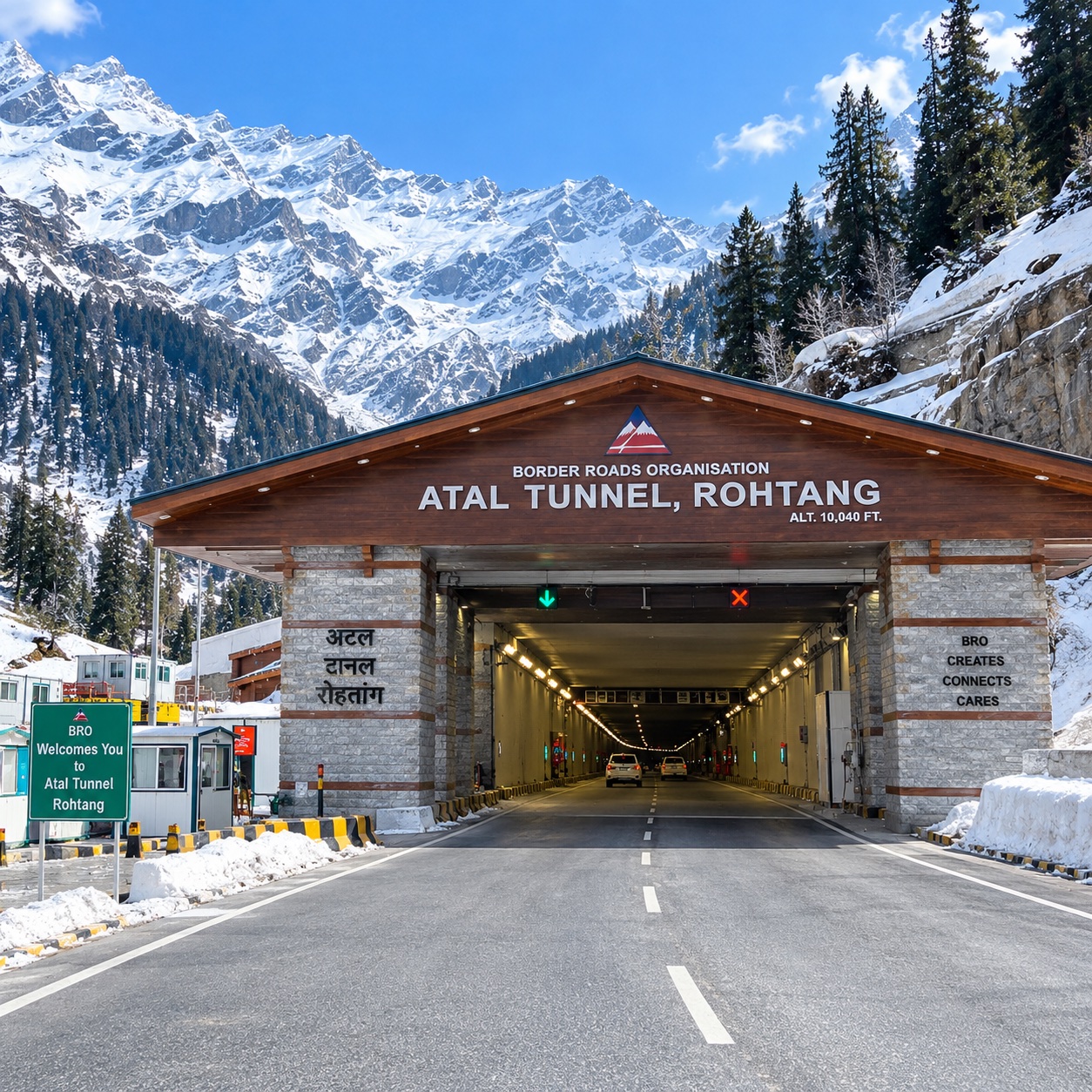
Kasol-Kullu-Sissu-Atal Tunnel-Nagar Castle-River Rafting
Still have a question?
If anything about Hadimba Devi Temple is not clear, connect with our team directly on call or on WhatsApp.